
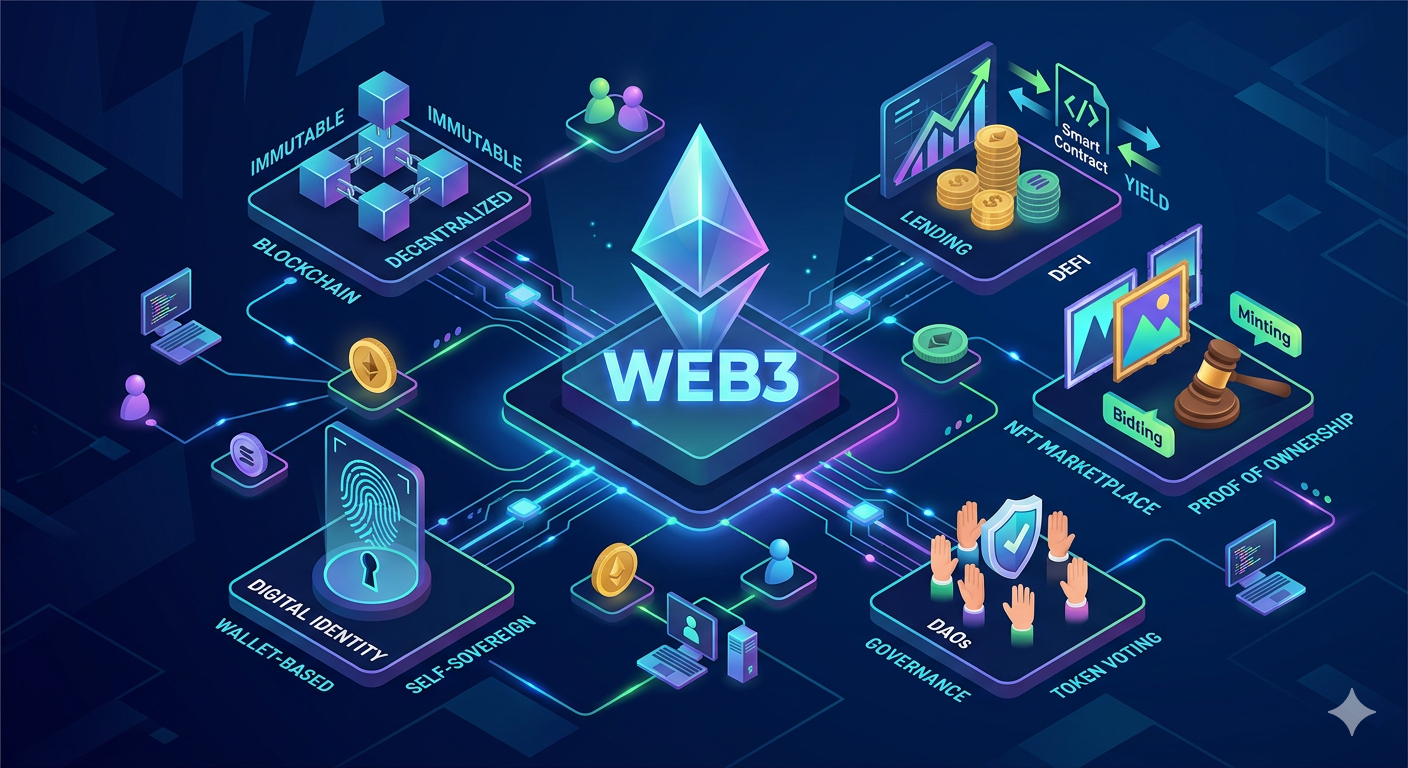
The rise of Web3 has opened up a new frontier for developers, entrepreneurs, and content creators looking to earn online. Unlike traditional apps, Web3 applications integrate blockchain technology, enabling users to truly own digital assets and earn cryptocurrency rewards through participation. One of the most accessible and profitable entry points into this ecosystem is building a simple browser-based Web3 game or mini app designed to generate passive crypto income.
In this comprehensive guide, you’ll learn exactly how to build, launch, and monetize a Web3 browser game or mini app—even if you’re starting from scratch. We’ll also explore high-converting monetization strategies, tools, and real-world tactics to maximize your earnings.
What Is a Web3 Browser Game or Mini App?
A Web3 browser game or mini app is a lightweight application that runs directly in a web browser and integrates blockchain features such as:
- Cryptocurrency rewards
- NFTs (non-fungible tokens)
- Wallet connectivity
- Smart contracts
- Token-based economies
Unlike traditional games, Web3 apps allow players to earn real value through gameplay. This “play-to-earn” model has gained massive traction and creates strong monetization opportunities for developers.
Why Build a Web3 Game for Passive Income?
Before diving into development, it’s important to understand why this niche is so lucrative:
1. Passive Crypto Earnings
Once your game is live, it can generate continuous income through ads, transaction fees, and token mechanics.
2. High Demand in the Crypto Space
Search terms like “play to earn crypto games,” “earn free crypto online,” and “best Web3 apps for passive income” have extremely high CPC (cost-per-click), making this niche ideal for monetized blogs and apps.
3. Low Barrier to Entry
You don’t need to build a complex AAA game. Simple mechanics like clickers, puzzles, or idle games can perform exceptionally well.
4. Global Audience
Crypto apps are borderless, allowing you to reach users worldwide without payment restrictions.
Step 1: Choose a Profitable Game Concept
The success of your Web3 app starts with choosing the right concept. Focus on simplicity and repeat engagement.
High-Converting Game Ideas
- Crypto Clicker Game – Users click to earn tokens
- Idle Mining Simulator – Simulated crypto mining rewards
- Spin-to-Earn Wheel – Daily rewards system
- Prediction Games – Guess prices or outcomes
- Quiz-to-Earn Apps – Educational crypto quizzes
Pro Tip:
Choose a concept that encourages daily return visits. Retention is key for maximizing revenue.
Step 2: Select a Blockchain Network
Your choice of blockchain affects fees, speed, and user experience.
Best Blockchains for Beginners
- Polygon (MATIC) – Low fees, fast transactions
- BNB Smart Chain (BSC) – Popular and beginner-friendly
- Solana – High speed and low cost
- Ethereum (Layer 2 solutions like Arbitrum) – Widely adopted
What to Look For:
- Low gas fees
- Strong developer ecosystem
- Easy wallet integration
Step 3: Set Up Your Development Stack
You don’t need to be an expert developer to build a simple Web3 app.
Frontend (User Interface)
- HTML, CSS, JavaScript
- Frameworks: React or Vue.js
Backend (Optional)
- Node.js for server logic
- Firebase or Supabase for database
Web3 Integration
- Ethers.js or Web3.js
- Wallet connection (MetaMask, WalletConnect)
Smart Contracts
- Solidity (for Ethereum-compatible chains)
Step 4: Build the Core Game Mechanics
Start simple. Focus on functionality first, then polish.
Example: Crypto Clicker Game
Core features:
- Button to earn tokens
- Wallet connection
- Balance display
- Reward system
Basic Flow:
- User connects wallet
- User clicks to earn points
- Points convert into tokens
- Tokens can be claimed or withdrawn
Step 5: Create and Deploy Smart Contracts
Smart contracts power your reward system.
What Your Contract Should Do:
- Mint or distribute tokens
- Track user rewards
- Handle withdrawals
- Prevent abuse (anti-bot logic)
Deployment Tools:
- Remix IDE (beginner-friendly)
- Hardhat or Truffle (advanced)
Step 6: Integrate a Crypto Wallet
Wallet integration allows users to interact with your app.
Popular Wallet Options:
- MetaMask
- Trust Wallet
- Coinbase Wallet
Key Features:
- One-click login
- Secure transactions
- Token storage
Step 7: Design a Token Economy
Your tokenomics determine whether your app succeeds long-term.
Key Elements:
- Total supply
- Reward rate
- Burn mechanisms
- Utility (why users need your token)
Example Model:
- Users earn tokens daily
- Tokens can be spent on upgrades
- A portion of tokens is burned to reduce supply
Step 8: Monetization Strategies (High CPC Revenue Streams)
This is where you turn your Web3 app into a passive income machine.
1. Display Ads (High CPC Keywords)
Integrate ad networks like:
- Google AdSense
- PropellerAds
- Coinzilla (crypto ads)
Target high CPC keywords such as:
- “earn crypto online”
- “best crypto games”
- “passive income apps”
- “free bitcoin earning sites”
2. In-App Purchases
Sell:
- Boosters
- NFTs
- Premium upgrades
3. Transaction Fees
Charge small fees on:
- Withdrawals
- Token swaps
- NFT trades
4. Token Appreciation
If your token gains value, your holdings become more valuable.
5. Affiliate Marketing
Promote:
- Crypto exchanges
- Wallets
- DeFi platforms
High-paying niches include:
- “best crypto trading platform”
- “buy bitcoin with low fees”
- “crypto investment apps”
Step 9: Add Gamification for Retention
To maximize earnings, keep users engaged.
Features to Include:
- Daily login rewards
- Leaderboards
- Achievements
- Referral bonuses
Step 10: Launch and Market Your Web3 App
Building the app is only half the battle. Marketing is crucial.
SEO Strategy (High CPC Keywords)
Write blog content targeting:
- “how to earn crypto without investment”
- “top Web3 games 2026”
- “passive income crypto apps”
Social Media Marketing
- Twitter (crypto audience)
- Telegram groups
- Discord communities
Influencer Marketing
Partner with crypto influencers to promote your app.
Step 11: Scale for Passive Income
Once your app gains traction, scale it:
Optimization Strategies:
- Improve user interface
- Add new features
- Expand token utility
- Launch mobile version
Automation:
- Use bots for customer support
- Automate payouts via smart contracts
Common Mistakes to Avoid
- Overcomplicating the game
- Ignoring user experience
- Poor tokenomics
- High transaction fees
- Lack of marketing
Estimated Earnings Potential
Your earnings depend on traffic and monetization strategy.
Example Breakdown:
- 10,000 daily users
- $5–$20 CPM (ads)
- $500–$2,000/month from ads alone
- Additional income from:
- NFT sales
- transaction fees
- affiliate commissions
Tools and Resources
Development:
- Visual Studio Code
- GitHub
Blockchain:
- Alchemy or Infura
- Moralis
Design:
- Figma
- Canva
Building a simple Web3 browser game or mini app is one of the most powerful ways to generate passive crypto income in today’s digital economy. With low startup costs, global reach, and multiple monetization streams, this model is ideal for bloggers, developers, and online entrepreneurs.
The key is to start simple, focus on user engagement, and leverage high CPC monetization strategies. As your app grows, so does your earning potential.
If you stay consistent and continuously improve your platform, your Web3 project can evolve into a long-term passive income asset that earns even while you sleep.
